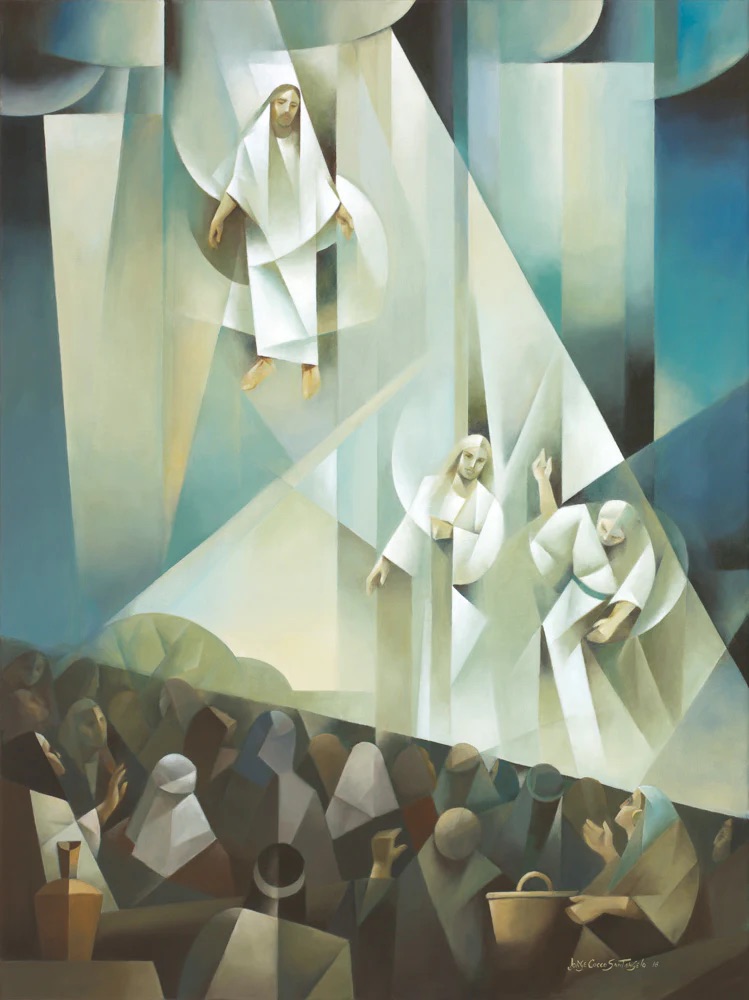
Blessed with What Truly Matters

Homily: Eighteenth Sunday in Ordinary Time | Year C

Ecclesiastes 1:2; 2:21-23 | Psalm 90 | Colossians 3:1-5, 9-11 | Luke 12:13-21

3 August 2025

Fr. Ricky Cañet Montañez, AA

There is a saying that goes, “The real tragedy is not that life is short, but that we waste so much of it before we truly start to live.” Raise your hand if you use an iPhone.  I am sure you are careful with those phones because they are not cheap. Let me tell you a story of a girl who switched from Android to an iPhone 6 in 2014. Since then, every time Apple comes up with a new iPhone model, she feels the need to upgrade her phone. She knows she cannot afford it on her regular salary so she works overtime, limits her expenses and does work on the side so she can save up for it. She is so busy working that she has little time to meet up with friends, join family outings, and more so volunteer at church. To her mind, life is short so she should be able to enjoy the things she likes. She does not realise she is missing out on life by constantly chasing after the latest iPhone. 

I invite you take a few seconds and think about what you are chasing after in life? Your dream car? Your dream house? Your dream luxury bag? Now what are you willing to give up to attain it? Can you sleep less to work more? Can you sacrifice family time to attend to clients?  Will you forego Sunday mass for a work meeting? It is not that work or achievements are bad — but if they become our main purpose, they leave us empty. 

The First Reading from Ecclesiastes bluntly tells us: “Vanity of vanities! All things are vanity!” (Ecclesiastes 1:2) The writer has seen how people spend their lives toiling, acquiring, and worrying, only to have no peace of mind and eventually leave their possessions to someone else when they die. 

St. Paul, in the Letter to the Colossians, reminds us that as followers of Christ we need to be concerned with the things that last and truly matter: “Seek what is above, where Christ is seated.” (Colossians 3:1) He reminds us that our true identity and meaning are hidden in Christ. We are asked to cease our bad habits of “immorality, impurity, passion, evil desire, and the greed that is idolatry” (Colossians 3:5) because they lead us away from Christ. Life is not about clinging to possessions, reputations, or earthly securities, but about living as people who belong to God, wearing the “new self” renewed in Christ. 

Jesus drives the lesson home in the Gospel when He tells the story of the rich man who stored up much grain thinking he had secured his future: “Relax, eat, drink, and be merry!” (Luke 12:19) The surprising twist is that God is not impressed at all. Instead, He calls the man a fool — because that very night his life would end, and all the fruits of his hard work would slip from his hands.All his barns and goods — what would they mean now that he was to die that night? The tragedy was not just his death; it was that he never really lived beyond himself. 

One of my favourite poems of Edna St. Vincent Millay reads:  

My candle burns at both ends

It will not last the night;

But ah, my foes, and oh, my friends –

It gives a lovely light.

I like it because it reminds me that life is to be lived passionately in the present — not tomorrow, not only when we reach our goals, not only when we have everything we think we need. Life is to be lived now: with gratitude, with generosity, with faith. Children often know this better than we, adults; they live in the moment; they trust there will be a tomorrow. We, adults sometimes forget, weighed down by worries, or chasing after more and more. 

The Gospel invites us not to waste life. It is short, fragile, and fleeting, but in God, it is also beautiful and full of meaning. The way to live it well is not to cling tightly to possessions or success, but to be “rich in what matters to God” — faith, love, generosity, and a heart open to His presence. So today, let us ask ourselves: Am I rushing through life chasing after things that will not last? If our answer is yes, then let us take this moment as a reminder that life is to be lived — fully, gratefully, and always in God.
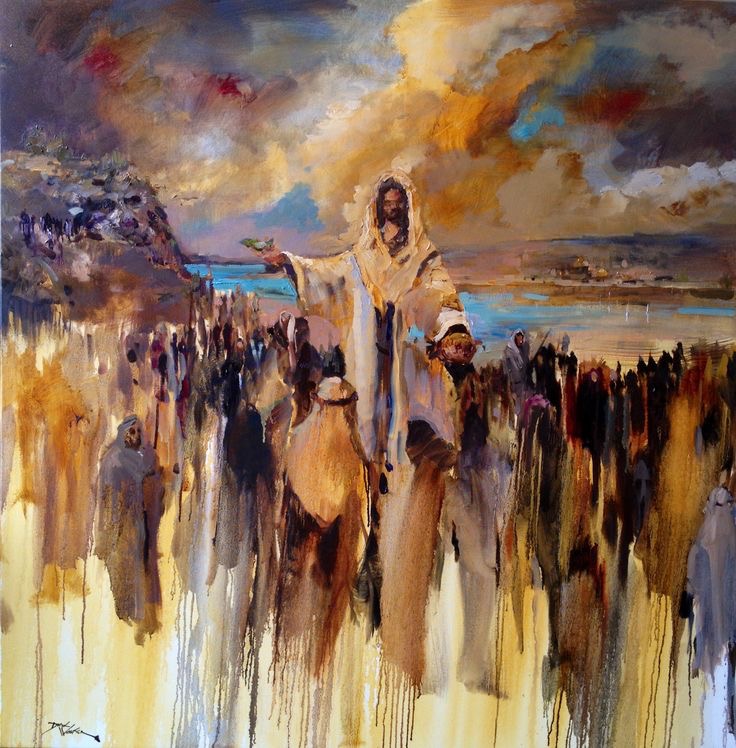
The Unfiltered Prayer of the Heart

Homily: Seventeenth Sunday in Ordinary Time | Year C

Genesis 18:20–32 | Psalm 138 | Colossians 2:12–14 | Luke 11:1–13

27 July 2025

Fr. Ricky Cañet Montañez, AA

How do you pray? Do you follow what is recommended in Matthew 6:6 “But when you pray, go into your room, close the door and pray to your Father, who is unseen. Then your Father, who sees what is done in secret, will reward you.”? Or do you like praying with friends — eyes closed, hands raised in the air and swaying to music? Or do you prefer to pray on your knees in church reciting the rosary and novenas?  Or do you prefer to sit under a tree, silence yourself and just be aware that God is present? 

These are all perfectly good ways to pray. Some critics of Catholicism fault us for having “formulaic prayers” whereas they claim to pray “from the heart”. Do you agree with them?  What they call “memorised prayers” are actually people’s heartfelt pleas to God that have proven effective in sanctifying them and obtaining graces. These communal prayers help us to pray together especially when we pray aloud in groups. Imagine the noise and disorder if we gathered here and said out loud our personal prayers!  On the other hand, when we pray in private, styles can vary, using words, works, and even silence. What is important is that we pray with openness and honesty, trusting that God is listening and communing with us.

When we pray, do we find ourselves struggling for the “right” words? Do we believe that we have to sound “nice” in our prayer even if we are hurt, tired or frustrated? Do we make an effort to be polite in prayer, telling God only what we think He wants to hear, not what we are really feeling?  Why “filter” ourselves?  God sees through us and knows us better than we know ourselves and He loves us, no matter what. We have no reason to hide. We can be real with Him. He is not offended by who we are especially when we are wounded, confused, and even angry. 

In today’s Gospel, Jesus tells a story about a man who knocks on his friend’s door at midnight asking for help. (Sa dis-oras ng gabi, nanggugulo.)  It was undeniably inconvenient for his friend, but he was not afraid to impose because He trusted that by sheer persistence, his friend would overlook the impropriety of his timing and approach and address his need. (Ang nagmamalasakit, minsan nakukuha din sa pangungulit.) Jesus says: Pray like that. Knock like that. Come to God like that. According to Bible commentators, the original Greek word used for “persistence” in this Gospel is anaideia, which literally means shamelessness (walang hiya-hiya).  Jesus is saying: When we pray, we have to be shameless. We have to be bold. We have to be real.

We see that kind of prayer in Abraham. He “haggles” with God. “What if there are Fifty? Forty-five? Forty? Thirty?” He was not ashamed to bargain with God. (Hindi siya nahiya na makipagtawaran sa Diyos.) He was not being disrespectful, just brutally honest. Abraham knew he was speaking to Someone who listens… Someone who cares.  

This same honesty — sometimes even desperation — is even more powerfully evident in the Psalms, particularly the Lamentations. These are the kind of prayers we often ignore or try to sanitise. But just listen to how raw these words are:

         •       “How long, O Lord? Will You forget me forever?” (Psalm 13:1)

         •       “Why do You sleep, O Lord? Wake up!” (Psalm 44:23)

         •       “My God, my God, why have You abandoned me?” (Psalm 22:1 — which Jesus Himself prayed on the cross.)  

These are not pleasant and polite prayers. They are cries; “tantrums” of faith. They are the prayers of people who are not afraid to tell God the truth about what they are feeling — because they know God can handle it.

Pope Francis once said: “We must pray to the Lord with truth — the truth of our heart. Let us not be afraid to say to Him exactly what we feel.  The prayer that Jesus taught us is one where we dare to call God ‘Father.’  It is that relationship between Father and child (even adopted children as we all are) that cuts away the pretence and the shyness. He is a loving Father who listens unconditionally and is generous with His children even when we can be disappointing to Him.  Sometimes, the most faithful prayer is not “Lord, Thy will be done” — but “Lord, I don’t understand Your will right now, and I am struggling to trust.”  That is still prayer. And sometimes, it is the kind God loves most — because it is real.  Prayer, after all is not about sounding holy. It is about being honest and sincere. 

So, I invite you, brothers and sisters: Let us start praying as we are, not the way we think God wants to hear us. Let us come to Him tired. Let us come to Him confused. Let us come to Him full of questions. Let us come to Him even when we are angry. Let us not be afraid. He is always waiting with love.  When we knock honestly — even shamelessly — the door will be opened. And the Father, who knows our hearts better than we do, will gladly welcome us!

Hospitality of the Heart

Homily: Sixteenth Sunday in Ordinary Time (C)

Genesis 18:1–10 | Colossians 1:24–28 | Luke 10:38–42

20 July 2025 

Fr. Ricky Cañet Montañez, AA

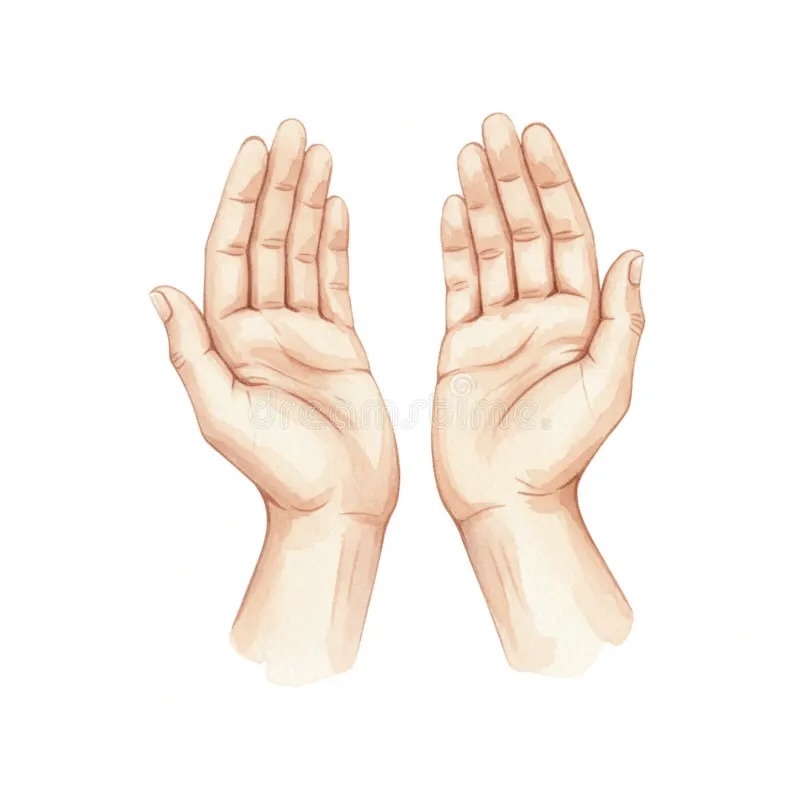
One of my favourite mass songs is “Panalangin sa Pagiging Bukas Palad” (A Prayer for Generosity). We ask the Lord to teach us to open our hands so that our palms are exposed. Why do you think? Let us try to open our hands.  This is the hand position that allows us to receive! If our hand is holding on to something or closed in a fist, do you think we can receive something that is being handed to us?  In order for us to receive, we have to be open. 

OPENNESS. That is the beautiful theme quietly running through all our readings today. It may not be about the openness of one’s hands but rather it is about the openness of a heart ready to receive. It is not just about politeness or hospitality. It is about being open to God, especially when He comes in unexpected ways. 

Take Abraham in our First Reading. It is a hot day, and he is resting by his tent when three strangers appear. He rushes to welcome them, offers food and water — not knowing he is welcoming God, Himself. His hospitality is rewarded because in that moment of simple openness, he receives a life-changing promise: “This time next year, your wife Sarah will have a son.” (Genesis 18:10)

Then in the Gospel, Jesus visits Martha and Mary. Martha is busy serving, while Mary simply sits and listens. Martha gets really upset and frustrated, but Jesus gently tells her: “You are anxious and worried about many things. Mary has chosen the better part.” (Luke 10:41-42) He is not scolding Martha for making an effort to see to their needs, but He is reminding her that she ought to take advantage of the opportunity to be present for what truly matters.  Martha welcomed Jesus into her home, but Mary welcomed Him into her heart. 

Paul, in the Second Reading, also reminds us that openness is not always about action — it can also be about bearing suffering with grace. He speaks of Christ living in us: “Christ in you — the hope of glory.” (Colossians 1:27) Paul’s whole life, even his pain, becomes a way of receiving and revealing Christ. He rejoices because despite his personal hardship, he knows that his efforts have allowed for the Church to grow, and more people to know and experience the love of Christ and the Good News of the Kingdom. 

What do these stories say to us? They show us that God comes to His people — again and again. He chooses to be present to us through strangers, silence, interruptions, and even suffering.  Are we open — not just with our time, but with our hearts?  Have we made space for Him lately? Or are we so busy with everything that we have forgotten to be more open; welcoming to receive? Sometimes, it is because we are so judgmental of people and situations that we fail to see the possibility of God being present through them. 

Today, let us take inspiration from Abraham, Mary and Paul. Abraham shows us to welcome the unexpected.  Mary shows us to pause and listen. Paul shows us to let Christ live within us — even in hardship. Let us always keep in mind that God loves us so much that He cannot stay away from His people. He comes to bring joy, to guide and to console.  Let us pray that we will not miss the time of His coming; that we will recognise Him and be open to receive the grace and blessing of His loving presence.

Drawing Near to the Hurting

Homily: Fifteenth Sunday in Ordinary Time (C)

Deuteronomy 30:10-14; Colossians 1:15-20; Luke 10:25-37

13 July 2025

Fr. Ricky Cañet Montañez, AA

It is not easy to be a Christian. Some people may say that all you have to do is close your eyes and accept Jesus as your Lord and Saviour — and just like that, you’re saved and bound for heaven. However, know that following Christ is more than a one-time prayer. It is a daily journey filled with choices, struggles, and sacrifices. Every day we live, we face trials and temptations that challenge our faith in Christ’s teachings and promises.

In today’s First Reading from Deuteronomy, Moses reminds the people that God is not far from them. He says: “Heed the voice of the Lord your God and keep His commandments… for this word is very near to you, in your mouth and in your heart.” (Deuteronomy 30:10,14) He is telling them — and us — that God is always speaking. His Word is close, not far away. It is already planted in our hearts. For those of us who come to Mass regularly and reflect on the Scriptures, God’s Word is something we’ve already heard and received. The challenge now is to live it out. However, let us be honest — that is not always easy. Living the Word does not mean we are free from stress, pressure, or pain.

Just recently, many of us were deeply saddened by the heart-breaking news of a young Italian priest, only thirty-five (35) years old, who took his own life. It is hard to understand. One would think that a priest — someone who speaks the Word of God daily, who celebrates the sacraments — would somehow be shielded from despair. And yet, he wasn’t. His death is painful and confusing. For many of us priests, it has become a wake-up call: to be more attentive, more compassionate, not just to our parishioners, but also to one another.

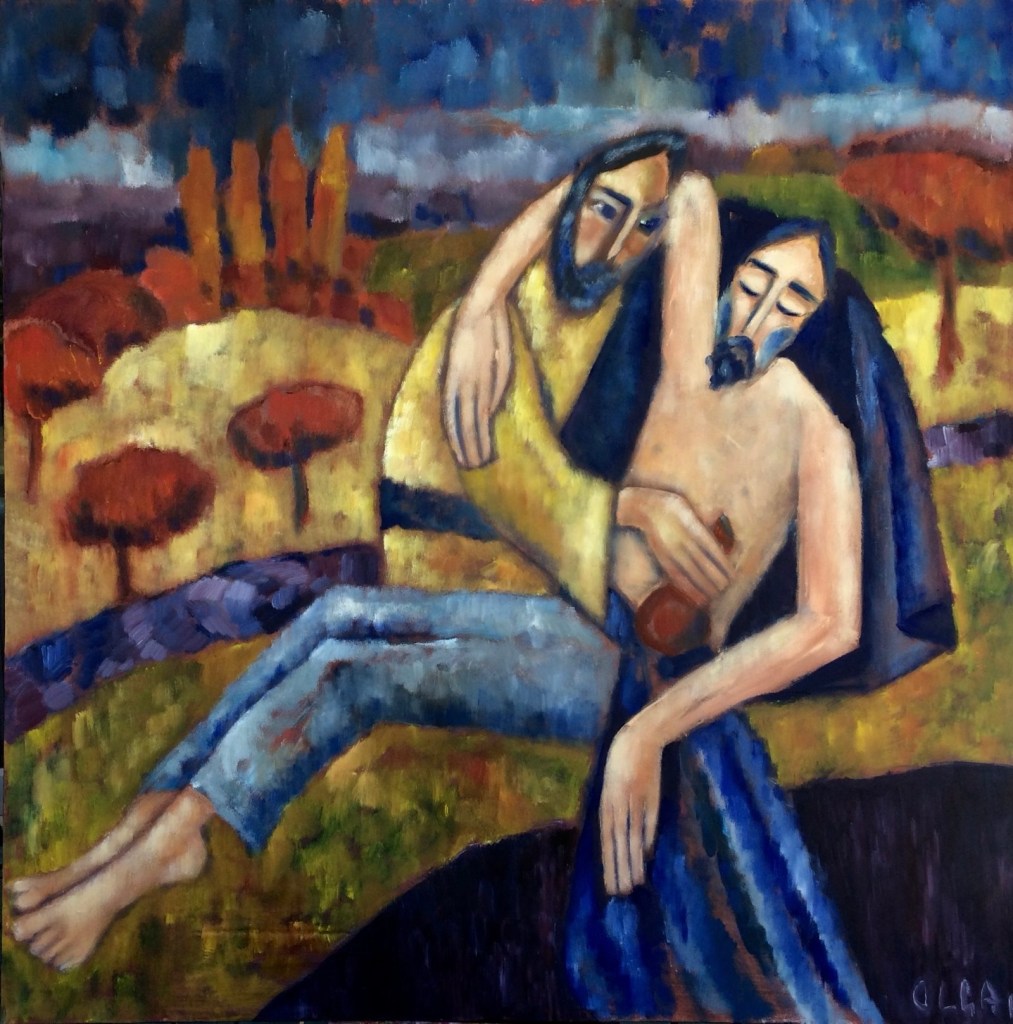
In the Gospel, Jesus is asked, “Who is my neighbour?” (Luke 10:29) And in response, He tells the story of a man who was beaten, robbed, and left for dead. Two religious leaders passed by. Nevertheless, it was a Samaritan — someone unexpected — stopped, drew near, and showed mercy. Perhaps the priest who died was like that wounded man. Outwardly joyful, seemingly strong, but silently suffering inside. Those who knew him said he seemed happy. No one really knew he was struggling. No one stopped long enough to notice. This painful story reminds us of something we sometimes forget: Priests are human too. Yes, we are not immune to exhaustion, loneliness, or emotional pain. Like many others, some of us struggle with anxiety, depression, and the quiet pressure of expectations. Our bodies grow tired. Our hearts can grow weary. We, too, are among the wounded.

Moreover, this is not just about priests. This is about all of us. Every person is carrying something. There may be people around us — in our families, in our workplaces, even in this very church — who are suffering silently, putting on a smile while struggling inside. The Good Samaritan reminds us of what we are called to do: to draw near, to care, to listen, to love.

Hence, if you are hurting today, know this: you are not alone. God is near. You do not have to carry your burdens by yourself. Speak to someone. Let someone walk with you. Likewise, if we know someone who seems tired, withdrawn, or struggling — do not wait. Let us reach out. Check in. Pray with them. Be present. Sometimes, all a person needs is someone who cares enough to stop and listen. That small act of presence may not solve everything — but it might save a life.

As Christians, we are called to live out the Gospel not just with our lips, but with our lives. When we care for one another, especially the wounded and weary, we are living the very heart of Christ’s message. Let us be people who notice. Let us be people who draw near. Because God is close to the broken-hearted; so must we be. Amen, let us “Go and do likewise.” (Luke 10:37)

The Good Samaritan by Olga Bakhtina

Rooted in Identity, Not in Achievement

Homily: Fourteenth Sunday in Ordinary Time (C)

Isaiah 66:10-14, Galatians 6:14-18, Luke 10:1-12, 17-20

6 July 2025

Fr. Ricky Cañet Montañez, AA

What does it mean to be called to serve the Lord? In today’s gospel we hear about the seventy-two (72) disciples whom Jesus sent as His advance party to all the towns He intended to visit.  Jesus had very specific instructions for them to carry hardly anything and to humbly accept whatever is offered to them, wishing peace upon the homes they visit —regardless of whether it is well-received or rejected. They returned rejoicing because their mission was a success. 

We all like the feeling of success — when things go well, when the plan works, when people notice our efforts, talents, and ingenuity. That is what the seventy-two (72) disciples felt in today’s gospel passage. Jesus had sent them out with nothing — no money, no bags, just TRUST — and still, they came back triumphant. In their excitement they exclaimed: “Even the demons obey us!” (Luke 10:17) They were thrilled. “It worked!”

You all know that I sing the consecration part at mass. I do not always manage to sing it perfectly but one time, by God’s grace, it went exceptionally well!  Afterward, people came up to say, “Ang ganda po ng pagkakanta niyo, Father.” (You sang it so beautifully, Father!”) It was affirming… and honestly, part of me enjoyed it.  I stopped one of my well-wishers and asked, “What did you like most about it?” She smiled and said, “Father, it helped me pray better. It helped me focus more on God.” That response grounded me. It reminded me: It is not about performance but it is about presence. It is not about being admired, but about helping others encounter the Lord.

Jesus lovingly cautions the disciples in the gospel passage: “Do not rejoice because the spirits are subject to you, but rejoice because your names are written in heaven.” (Luke 10:20) In short: We should not base our joy on what we have done. Rather, let us rejoice in who we are and to whom we belong, which is our identity as Christians and as children of God. Let us never forget that real joy comes not from what we do for God, but from knowing we belong to Him.

We live in a world obsessed with results — grades, numbers, likes, outcomes. We know that feeling when we post something online — and we keep checking if people are liking it? One “heart,” two “likes,” three “wow” reactions… And when no one reacts, we start wondering, “Did I say something wrong? Am I invisible?”  We live in a world that rewards visibility, results, and approval. But today’s Gospel reminds us: “Heaven does not measure us by likes or success — but by LOVE.” And the greatest joy is not in being noticed — it is in being known by God.  Even in church work, we can easily fall into this. But God does not define us by performance. He defines us by love.

St. Paul echoes this in the Second Reading: “I will boast only in the cross.” (Galatians 6:14) He has no reason to brag about his achievements, rather he delights in Christ’s love. He is humbled by the opportunity to continue the mission of Jesus, by reason of which he now carries the marks of Jesus on his body.  For us Christians, the cross is not a symbol of success — it is a sign that one is loved, even in his/her weakness.  It is the same for us today, especially for those who are actively serving in the church or doing a ministry to uplift the lives of others.  Whether in singing, preaching, or serving, the goal is never to impress but to inspire. We are here to serve, not to shine.  

It is Isaiah who reminds us that God delights in us not because of what we produce or accomplish but rather because we are His. (Isaiah 62:4) He does not care if we are less than perfect.  God’s joy and peace do not come through perfection, but through a deep relationship with Him.  Hence, it is enough that we accept His friendship and allow Him to journey with us in life. 

Thus, this week, whether we experience winning or losing, strength or extreme tiredness, success or defeats, let us remember these three (3) things:

First, let us rejoice not in results but in the fact that we belong to God.

Second, let us boast not in success but in the cross of Christ.

Third, let us rest not in perfection but in the arms of a loving and merciful God.

Our names are written in heaven. We are known. We are loved. And this is more than enough reason to rejoice!

Saints with a Past, Witnesses of Grace

Homily: Solemnity of Saints Peter and Paul, Apostles

Readings: Acts 12:1–11; 2 Timothy 4:6–8, 17–18; Matthew 16:13–19

29 June 2025 

Fr. Ricky Cañet Montañez, AA

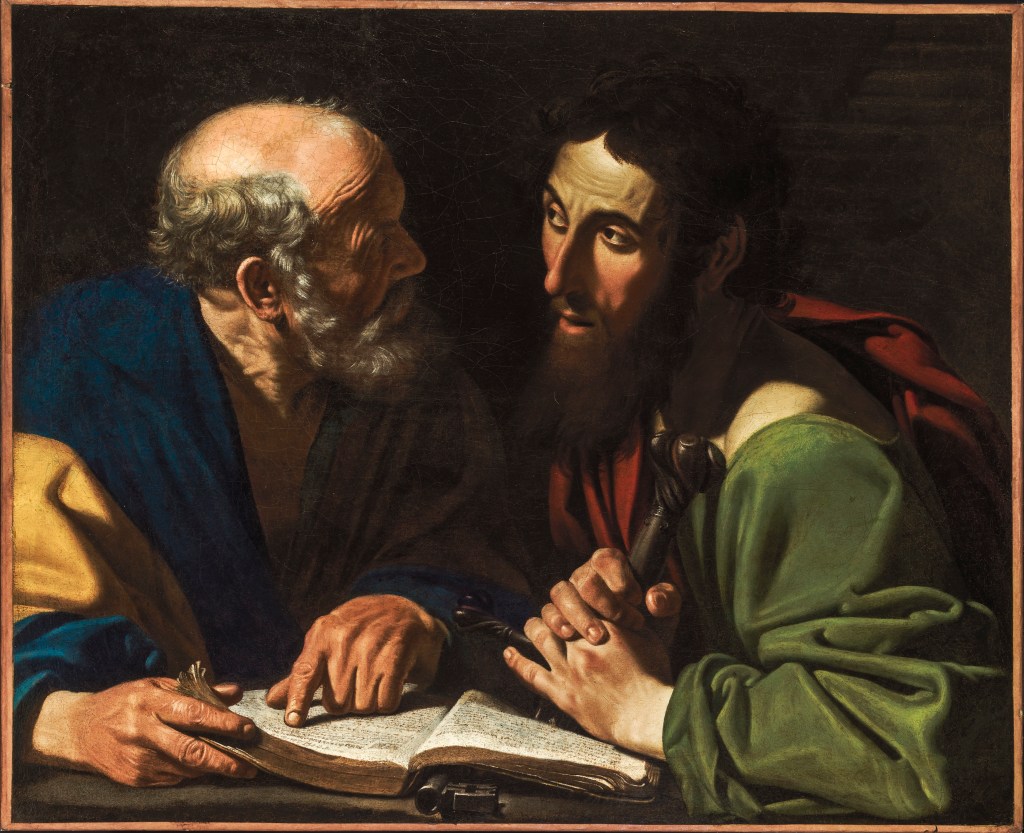
Today we celebrate two giants of our faith: Peter and Paul — pillars of the Church, apostles, martyrs, and saints. They were responsible for the spreading of the faith among the Jews and the Gentiles — essentially the whole world. 

These days that job rests mainly on the shoulders of priests. It is a tough job because we give up so much of regular life to care for the people of God and propagate the faith.  If you think that many of us are not skilled enough to be priests, many of us feel the same way about ourselves. We are very aware of our own limitations and shortcomings. We often wonder why God chose us. In times like these, what strengthens us is the knowledge that the pillars of the Church were not perfect either. Peter, impulsive and emotional, swore he would never abandon Jesus — only to deny Him three times on the night of His arrest.  Paul, brilliant and zealous, did not just reject Jesus — he actively persecuted Christians, dragging them from their homes and sanctioning their deaths.  Like Peter and Paul, we priests are not sinless men. We are all wounded men in the same way you are. Like you, we also need to examine our conscience and go to confession. As we have roles to play in building Christ’s Church, so do you. Yes, let us not allow our imperfections to cast doubts on our worthiness to serve God.  Let us always keep this in mind: Jesus chooses the imperfect to work wonders in His Church. 

In the Gospel today, Jesus asks: “Who do you say that I am?” (Matthew 16:15) Peter, inspired by the Father, answers: “You are the Christ, the Son of the Living God.” (Matthew 16:16) And Jesus declares: “You are Peter, and on this rock I will build my Church.” (Matthew 16:18) Christ is not referring to Peter the perfect disciple — but Peter, the forgiven one. The same Peter who, in today’s First Reading from the Acts of the Apostles, finds himself in prison, shackled, awaiting death — until an angel sets him free. Peter knew that the same God who forgave him was the same God who could deliver him.  Paul, in the Second Reading, looks back at his life: “I have fought the good fight, I have finished the race, I have kept the faith.” (2 Timothy 4:7) however, let us listen to what else he says: “The Lord stood by me and gave me strength… I was rescued from the lion’s mouth.” (2 Timothy 4:17) He never says, “I earned this.” He says, “God did it. God rescued me.”  That is the heart of today’s feast. Not that Peter and Paul were strong — but that God was stronger than their weakness. Not that they were holy from the start — but that they let grace change them. 

In the movie Green Bones, there is a scene where Domingo Zamora says, “Hindi ako mabuting tao.” (“I am not a good person.”) Grossly aware of his errors in life, he is not proud of the things he had done. He is very much convinced that his past disqualifies him from experiencing good.  “I have made too many mistakes.” “I am not worthy to serve.” “God cannot use someone like me.” Maybe sometimes we say these to ourselves, too. 

However, please pay attention to what Prison Chief Inspector Jorge de los Santos tells him: “Kung bibigyan mo ang sarili mo ng pagkakataon, puwede kang lumaya.” (“If you give yourself the chance, you can earn your freedom.”) That is the same grace Peter and Paul received. God did not erase their past, but He granted them freedom from the stigma of their mistakes. God does not pretend our wounds do not exist; He transforms them into signs of hope.  As Paul once wrote: “By the grace of God, I am what I am.” (1 Cor 15:10) And as St. John Paul II echoed centuries later: “We are not the sum of our weaknesses and failures, but the sum of the Father’s love for us.” 

Thus today, let us stop hiding our wounds. Let us stop saying, “I’m not good enough.” Moreover, let us start saying, “God is good enough to use even me.” Peter and Paul did not just tell people about Jesus. They told people what Jesus had done in them. Let us do the same. Our story — yes, even the messy parts — might be exactly what someone else needs to hear.  May we have the humility and courage of Peter and Paul — not just to preach the Gospel, but to live it through the story of what God has done in our lives!

Attributed to Pietro Antonio Novelli (Kress Foundation)

Taken, Blessed, Broken, Given

Homily: The Solemnity of the Most Holy Body and Blood of Christ (C)

Luke 9:11-17

22 June 2025 

Fr. Ricky Cañet Montañez, AA

Today, we celebrate Corpus Christi Sunday.  We honour the Body of Christ which we experience through the Blessed Sacrament or Consecrated Hosts during Communion and the Eucharistic Adoration. 

Later, during the Liturgy of the Eucharist let us listen closely to the prayers over the bread and wine.  I will mention that Jesus took the bread, blessed it, broke it, and gave it to His disciples.  “TAKEN”, “BLESSED”, “BROKEN”, “GIVEN” — these are not just words uttered in a ritual.  They are the heart of the Eucharist, and they reveal what Jesus wants to do with us.  Like the bread in the Gospel, Jesus takes us, just as we are, even when we feel small, tired, or unworthy.  He blesses us, reminding us that we are loved and chosen. He breaks us, not to hurt, but to open our hearts in love.  Moreover, He gives us to be a blessing to others. 

Allow me to share an experience which happened mere months after my ordination.  I had been sent to an apostolate area to celebrate masses but one mass made such an impact on me. During communion, I suddenly felt a weight settle in my chest as I said the words, “The Body of Christ” over and over again. I had distributed communion many times before but never before had I felt a quiet awareness, almost like a whisper in the soul. I felt like bursting into tears. It was neither stress nor pressure but rather the deep realisation that it was Jesus I was holding in my hands!  I was vividly aware of the immense responsibility — the sacred trust, the calling which I was asked to carry in my life. 

“Lord, who am I to be doing this?” I knew I did not earn nor deserve the opportunity. I felt anxious and fearful that I would fail and be disappointing to God and to those who believed in me.  By God’s grace, I remembered that Jesus took me, just as I was, with all my flaws, fears, and wounds. He took me, not because I was the best nor the most worthy, but because He loved me. Despite all my limitations as a person, He entrusted me with this ministry anyway.  Not only did He take me from where I was, but He gave to me the people I now serve. He gave me this calling. He gave me to this very moment of grace — and still gives me, every day, to others in ways I never imagined. 

The miracle of the Eucharist is foremost that Christ becomes food for us but it does not end with Him giving us His Body — He makes us part of His Body! He takes us, blesses us, breaks us open in love, and then sends us to become nourishment for others. Jesus does not come to us because we are perfect and deserving. He comes to us because He loves us and He knows we need Him. In return, at the very least, we must prepare our hearts to receive Him by avoiding sin, and receiving the Sacrament of Reconciliation regularly. 

Today and on the Sundays to come, I encourage you to be more mindful whenever you line up for communion. Receive the Body of Christ with grateful hearts and pray that we become what we receive: blessed, broken, and shared — for the life of the world.

Created, Redeemed, Empowered: The Work of the Trinity

Homily: Solemnity of the Most Holy Trinity (C)

John 16:12-15

15 June 2025

Fr. Ricky Cañet Montañez, AA

When I was very young, I would like to believe that I did quite well in Math. Arithmetic was simple for me. 5-5 is zero; 5+ 5 is 10; 1+1 is 2. That is what is nice about Math. Even, complex mathematical equations are solvable. It is absolute. If you persevere, you will get the answer.  When I was coming into an understanding of our faith and especially the Holy Trinity, I got so confused because suddenly, 1+1+1 equals ONE. 

Today, we celebrate the Solemnity of the Most Holy Trinity.  It is a mystery at the heart of our faith. One God in three Persons: Father, Son, and Holy Spirit. They are distinct in characteristics and functions, but integral to one whole. It is very difficult to explain more precisely and I will not attempt it today. I will however tell you what the Holy Trinity is NOT and how we can prove the existence of all three persons by simply going over today’s readings. 

The persons of the Trinity are not simply costumes worn by one person or various roles played by one actor. They are neither distinct parts of one body like the Frankenstein Monster nor are they Japanese robots that have separate vehicles that volt in to form a super robot. In the Creed, we mention that they are consubstantial. They are of the same substance, essence, and power but different in their function and how they manifest to humanity. 

In the First Reading from the Book of Proverbs, we hear about God the Father who is the Creator.  Wisdom is at God’s side during creation — delighting in the world, and especially in us. This details the Father’s joy in creating us and sharing His life with us. Throughout the Old Testament we hear about the relationship between God and humanity in its early stages, where God reveals Himself through the prophets and establishes a covenant with His people. 

We know that the covenant is broken many times and attempts to re-establish this fail constantly due to the weaknesses and infidelity of humanity. This creates a divide between God and His people. However, God remains merciful and promises a Messiah who will liberate His people once and for all.   In the Second Reading, St. Paul tells us that we finally have peace with God through His own Son, Jesus. Through the Son, we are no longer outsiders — we have been welcomed back into God’s family. The gospels detail the life of Jesus who lived among us, bridging and reconciling humanity with the God who created all things. 

Last week, we celebrated the Solemnity of Pentecost — the descent of the Holy Spirit who empowers us and pours God’s love into our hearts, making divine love real and personal.  In today’s gospel passage from St. John, Jesus speaks of the Spirit who will guide us into truth, taking what belongs to the Father and the Son and declaring it to us.  Jesus Himself reveals this truth — so how can we possibly dispute His words? This truth about the Holy Trinity is a profound expression of complete unity — a love shared by the Father, the Son, and the Holy Spirit — that now embraces us as well.

On this Solemnity of the Most Holy Trinity, let us be mindful of how the Father, the Son and the Holy Spirit remain present with us, especially during the Holy Mass.  It is a memorial of how Jesus bridges the gap created by humanity with God the Father. In the liturgy of the Eucharist, Jesus willingly offers Himself as a pleasing sacrifice to the Father to make amends for the grave offences of humankind against God. It is not a simple re-enactment. Without leaving the Church, we are brought into the very moment of the Last Supper and the Crucifixion — when these events truly take place — and we, who are present, become recipients of Christ’s saving act. At the final blessing, the priest calls on the Holy Spirit to descend upon those present to receive spiritual gifts. We bow our heads in reverence and humility to receive the gift of the Father through the Holy Spirit. 

Our whole life on earth is an experience of the Trinitarian God who loves us.  Our Triune God is love — a love that calls us into being, restores our brokenness, and guides our path. Therefore, every time we make the sign of the cross, let us vividly remember the FATHER who lovingly created us and delights in us, the SON who became fully human to redeem us, and the HOLY SPIRIT who lives within us and stirs our hearts. This is far more than mere doctrine — this is the very core of who we are as God’s people.

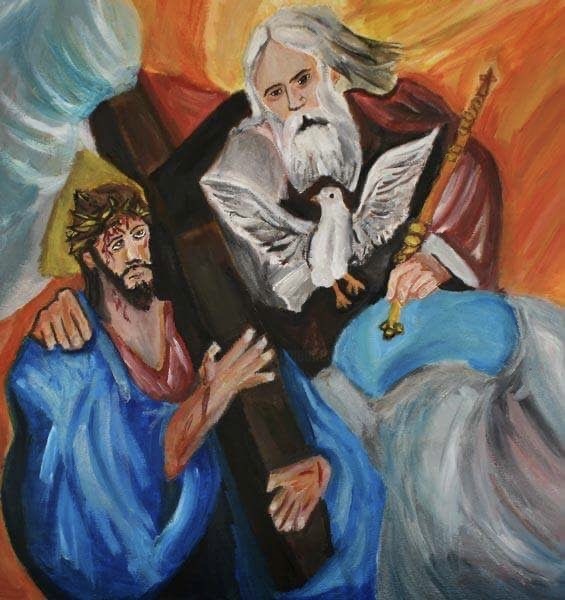
Painting by Shekells89/ArtMajeur

When Life Gives You Tangerines: A Pentecost Perspective

Homily: Solemnity of Pentecost (C)

John 20:19-23

8 June 2025 

Fr. Ricky Cañet Montañez, AA 

Have you heard the phrase: “When life gives you lemons, make lemonade.” Recently I watched a similarly titled Korean Drama called: “When Life Gives You Tangerines”. In the Philippines, we know them more as Ponkan oranges. They generally look sweet, right? However, sometimes, when we peel them open, they are sour, filled with seeds, or they are not what we expect them to be. 

I think that tangerines are a better image for life. We do not live expecting life to be as sour as lemons. Our life is not all sour — some moments are surprisingly sweet and grace-filled. Although we usually approach life with hopeful expectations, the reality of life can sometimes catch us off guard. We often embark on endeavours expecting things to go smoothly — but instead, we get challenges, confusion, delays, or disappointments. Maybe we were hoping for peace — but encounter anxiety. We expect joy — but found stress or pain. 

Today, we celebrate the gift of the Holy Spirit — the breath of God that gave life to the Church and continues to empower us every day. It is the same Spirit that helps us adapt and overcome the daunting things in life. In John 20, the disciples were so traumatised by Jesus’ crucifixion that they were hiding behind locked doors, afraid and unsure. Jesus comes and says, “Peace be with you.” (John 20:19) Then He breathes on them: “Receive the Holy Spirit.” (John 20:22) This act did not change their situation — Rome was still in power; the world was still uncertain. Nevertheless, this act of Jesus changed them. It gave them the courage to eventually go out, to speak boldly, to live fully — even with fear, even with setbacks. That is the miracle of the Pentecost account in Acts 2 as well. The Spirit came like wind and fire — and the disciples began to speak in new ways. They did not become great leaders and speakers overnight — but they were empowered to serve, to witness, to love. It took all their lives for them to hone their gifts but in the end, they achieved the task Jesus left for them. 

That is also what the Holy Spirit does for us. He may not remove the “tangerines” — the surprises, the sour parts of life — but He helps us taste them differently. He gives us strength in weakness, peace in chaos, and joy — even in sorrow. As St. Paul says, “There are different gifts, but the same Spirit… given for the common good.” (1 Corinthians 12:4-7) Each of us has been given something — a gift for our family, our Church, our world. Each of us has something to offer to make life better together. Thus, when the tangerines of life are less than sweet, let us avoid praying, “Lord, take this away,” but ask instead, “Lord, how can I grow through this?” 

This Pentecost, let us remind ourselves that we do not need everything in life to be perfect. The truth is, life never is. When we are under the impression that our life is, trust that it will not last. This is the nature of life.  What matters is, we receive Christ’s gift of the Holy Spirit and allow ourselves to be led and guided by Him. Hence, the next time life gives us “tangerines” — when things do not turn out how we planned, let us remember this: We do not need perfect circumstances to live a Spirit-filled life. We just need to open our heart and let the Spirit work — right where we are. The Holy Spirit knows exactly how to turn every piece of our life into something fruitful, so that it feeds, heals, and blesses others. 

This is the meaning of Pentecost for us. Let us live our lives in the knowledge that although Jesus has ascended to the Father, He did not leave us alone to deal with the challenges of life.  The Holy Spirit is ever present guiding us, sustaining us, empowering us, and working to consistently gather us all under the grace and protection of our loving Father.

By: Fernando Oramas (Saatchi Art)

Clothed with Power from on High

Homily: The Solemnity of the Ascension of the Lord (C)

Luke 24:46-53

1 June 2025

Fr. Ricky Cañet Montañez, AA

How many are retirees here? Please raise your hand? Normally the retirement age is sixty (60) or sixty-five (65) but there are some who opt for early retirement and still others can retire much later in life like doctors, authors, business owners, priests, etc. Do you remember what it was like on your last day at work? Was there a formal turnover? Were your colleagues sad to see you go or happy that you were finally leaving? (Just kidding.) Most often retirement demands from us a letting go of the role we once carried, the routine we followed, the busyness that filled our days. It is an end, but also a beginning. 

The Ascension of Jesus was sort of His last day of work on earth. In the First Reading from the Acts of the Apostles, we hear of that dramatic moment when Jesus is lifted up before the eyes of His disciples and taken into heaven. The disciples are left staring up at the sky, perhaps feeling what many of us feel after a major change in life — “What now?” Suddenly, there is quiet where there once was constant noise and movement. Now that their boss, their rabbi, their master has departed, there was a stillness that also felt like a loss. 

However, the Ascension was not just about Jesus leaving. We mentioned earlier that retirement is both an end and a beginning. In this case, Christ’s departure was making space for the Spirit to come and continue the work Jesus started by empowering His followers.  Jesus left but He did not abandon the Apostles. He told them to wait in Jerusalem where they would receive the Father’s promise and be baptized with the Holy Spirit. He assured them “you will receive power when the Holy Spirit comes upon you, and you will be my witnesses in Jerusalem, throughout Judea and Samaria, and to the ends of the earth.”  (Acts 1:8) We hear of this again in the Gospel from Luke where Jesus promises that the disciples will be “clothed with power from on high” (Luke 24:49) — a reference to the coming of the Holy Spirit. He then blesses them and is taken up to heaven.  

Jesus ascended to the Father but throughout His brief ministry He made sure that the Apostles were prepared and able to continue the mission.  On His last day, He promises them a parting gift. That gift is what enabled the Good News to reach us today.  In turn, this mission has been entrusted by the Apostles, through the ages, to all those who believe in Jesus.   It is by the power of the Holy Spirit that we have become an Apostolic Church, descended of the Apostles, founded on Jesus Christ.  Hence, the Ascension is not the absence of Christ — it is the expansion of Christ’s mission into every corner of the world through His followers. Today, that mission is in our hands.  It is our turn to step up. 

I asked you earlier about how your colleagues reacted to your retirement. Were they happy or sad to see you go? Did you notice that the reaction of the Apostles in our gospel to Christ’s Ascension was not one of sadness or depression.  It is said that they worshipped Him, returned to Jerusalem with great joy, and were continually in the temple praising God. (Luke 24: 52-53) They were joyful because they understood: this was not an ending, but a new beginning. They understood that they had to pick up from where Jesus had left off and although it was daunting, they could not contain the Good News that had overwhelmed them and was bursting from within them. 

Maybe if we find ourselves at the end of a job needing to shift roles at work or in life, let us remember that although we may initially ask ourselves “What now?”, we have to trust that God is not really retiring us — He is redirecting us. He opens new doors for us to serve others in a new environment or a new capacity. The Ascension invites us to stop looking up at what was, and to start perceiving what can be — empowered, sent, and ready for the path God is unfolding for us!