Homily: Sixteenth Sunday in Ordinary Time (Year A)
Wisdom 12:13, 16-19 • Romans 8:26-27 • Matthew 13:24-43
19 July 2026
Fr. Ricky Cañet Montañez, AA
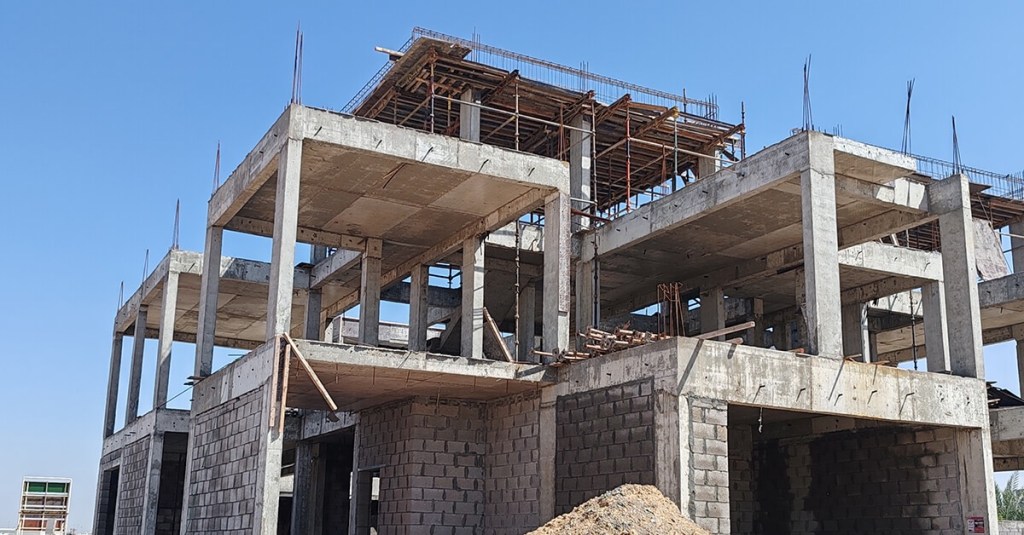
Have we ever noticed how, despite the challenges of our economy, construction seems to be everywhere? Walk through almost any neighbourhood and we will find a building going up—a condominium, an office, or a new home. We see exposed steel bars, unfinished walls, piles of hollow blocks, and workers going about their tasks. It does not look beautiful at all. In fact, all we really see is mess. But anyone who might go up to the architect and say, “This building is rather ugly,” would be reminded that he/she were judging too soon because the building is not finished yet. The building is not the problem. The problem is that we are judging it before it is finished.
I think we sometimes do the same thing with people—and even with ourselves. Sometimes we are quick to say, “There is no hope for that person anymore. He will never change. A parent says, “My son has not been to Mass in years. I don’t think he will ever come back.” A husband or wife says, “We have been trying to fix our marriage, but nothing seems to change.” Someone who keeps struggling with the same weakness says, “I have confessed this sin so many times. I will never overcome it.” Sometimes the harshest judge we face is not another person but ourselves. We sigh in exasperation and tell ourselves, “This is just who I am. I will never be better.”
Today’s readings invite us to see as God sees. In the Gospel, the servants discover weeds growing among the wheat. Their reaction is immediate: “Do you want us to go and pull them up?” (Matthew 13:28). Honestly, that is probably what most of us would do. If there is a problem, we want an immediate fix. If there are weeds, we pull them out. Sounds logical, right? Nevertheless, the master answers, “No… let them grow together until harvest” (Matthew 13:29-30). He explains that pulling out the weeds too soon could also uproot the wheat. Jesus is speaking about the mystery of good and evil existing side by side until the final judgment. However, the same wisdom also applies to our own lives. God gives us time, not because He tolerates evil, but because His mercy always leaves room for repentance. The servants see the weeds. The master sees the wheat. The servants see the present. The master sees the harvest. We tend to see what is wrong; God sees what can still become right.
The First Reading helps us understand why. In the Book of Wisdom, we hear these words about God: “Though you are master of might, you judge with clemency” (Wisdom 12:18). What a beautiful insight into the heart of God. We often think that power means acting quickly, demanding immediate results, or punishing without delay. Moreover, God’s greatness is shown in His patience. Patience is not weakness. It is confidence that goodness can still grow. Because God is almighty, He can afford to be patient. Because He sees the whole picture, He can give people another chance. As the reading says, He gives His people “good ground for hope” because He allows time for repentance (Wisdom 12:19).
Then St. Paul gives us another comforting truth. He writes, “We do not know how to pray as we ought, but the Spirit himself intercedes with inexpressible groanings” (Romans 8:26). Have we ever been so tired, so worried, or so heartbroken that we could not even find the words to pray? Perhaps all we could do was sigh… or cry… or simply sit in silence. St. Paul reminds us that even then, God is not absent. The Holy Spirit is already praying within us. Even when we think nothing is happening, God is quietly at work.
Therefore the challenge today is not simply to be patient. It is to trust God’s timing. It is to trust that He is still building what seems unfinished. It is to trust that He is still growing the wheat, even when the weeds seem more obvious. Thus, if you have been praying for a son or daughter who has drifted away from the faith, don’t stop praying. If you are trying to rebuild trust in your family, don’t give up too soon. If we are struggling to overcome a habit or a sin and feel discouraged because progress is slow, we should not lose hope. God’s work is often quiet before it becomes visible. Just because we cannot yet see the harvest does not mean nothing is growing. Just because the building looks unfinished does not mean the architect has abandoned it.
My dear brothers and sisters, are we not all works-in-progress? The building is still under construction. The wheat is still growing. The Holy Spirit is still praying. We do not pass final judgment on a life that God has not yet finished shaping. We should not give up on the people God has not given up on. And we should not lose hope in ourselves, because God certainly has not lost hope in us. While we worry about the weeds, God is quietly growing the wheat. And while we think the building is unfinished, the Divine Architect is still at work!