Homily: Sixth Sunday in Ordinary Time (B)
Mark 1:40-45
11 February 2024
Fr. Ricky C. Montanez
Usually we prefer someone who doesn’t talk too much but is profound and enlightening. Today’s gospel is like that. It is short but it is rich in its messaging. Let us first talk about leprosy, as a disease, in Biblical times. Then, let us pay attention to the meaningful details of the story before we finally see what it all means for us today. Okay?
The passage from Leviticus describes how people in the time of Jesus viewed those afflicted with leprosy. A leper is expected to wander about announcing to all that he/she is unclean so people can keep their distance. Considered “the lowest of the low”, any leper is subject to public shame, isolation and segregation from society. Most often, they do not only suffer physically from the affliction but they suffer being marginalised, shunned and ostracised by the very community that should be helping them. In those days, any illness for that matter, is viewed as a consequence of sinfulness. Since leprosy was a chronic and incurable disease, it was a death sentence physically and socially. In fact, anyone who would come into physical contact with a leper will also be considered ritually impure. Only a priest can declare a leper cured or clean enough to rejoin society. Why a priest can and not a doctor? Again, because leprosy is deemed a physical manifestation of punishment for sinfulness. Forgiveness and purification are not for a doctor to determine.
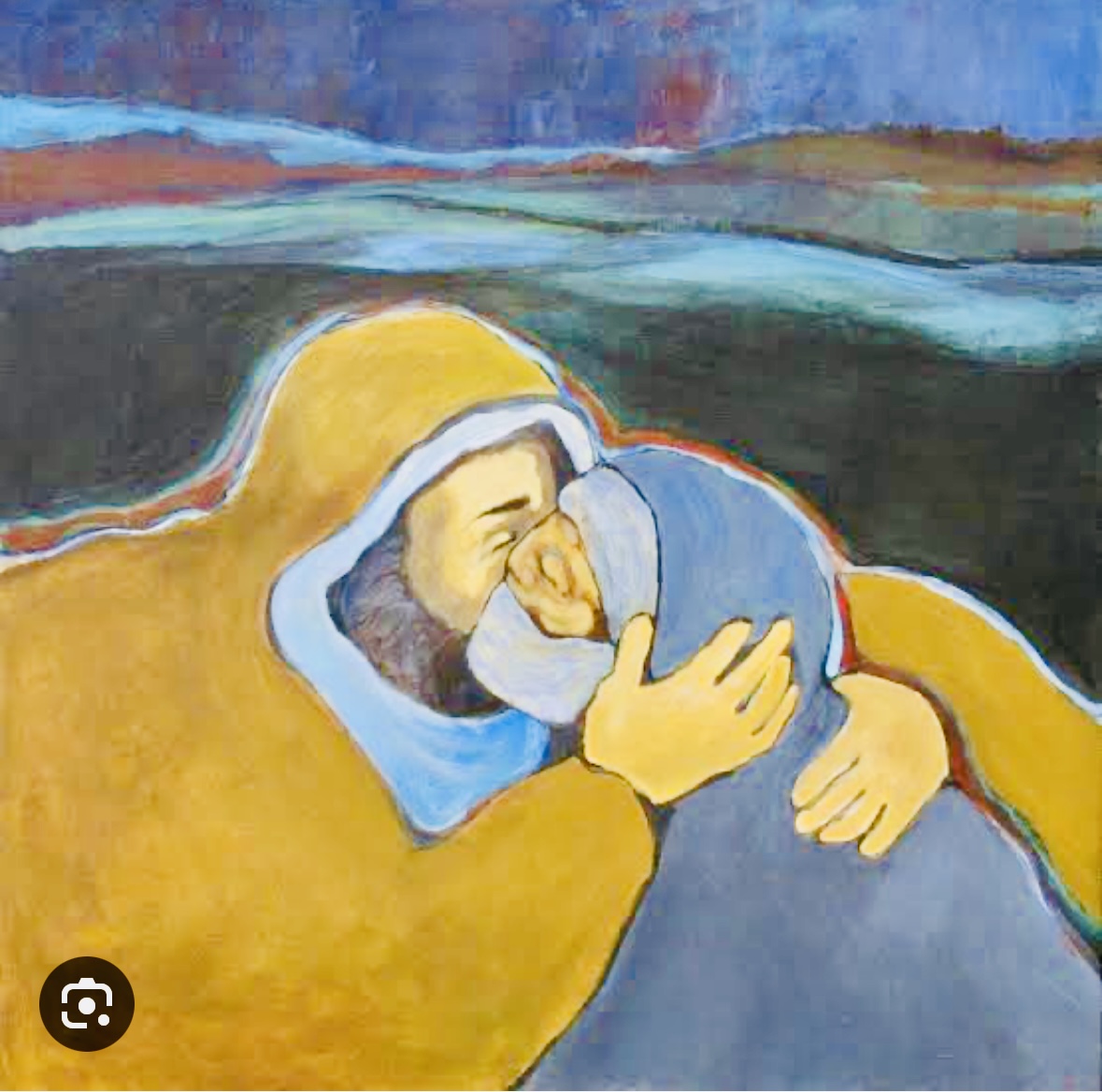
Now, we know how terribly lepers were viewed and treated, we see how special the encounter was between Jesus and this particular leper. This leper most likely chanced upon Jesus alone or with a few disciples. If there was a crowd around Jesus, he would not have been able to approach the Lord and kneel before Him. Crowds gather around Jesus out of curiosity — they were there either to see miracles happen or to observe what rogue teaching or comment Jesus would utter next. The act of kneeling before someone is very striking because it is an act of humility and an acknowledgement that someone has power over you. The leper kneels before Jesus and does not demand healing but rather leaves the choice to Jesus saying, “If you wish, you can make me clean.” (Mark 1:40) This is enough to move Jesus to pity that He defies the Mosaic law, reaches for the leper, touches him and says, “I do will it. Be made clean.” (Mark 1:41) It is such a personal encounter. As Jesus reaches and touches the leper, we are reminded how God reached out and entered into our human experience to save us. The story ends with the leper disobeying Jesus’ instructions “not [to] tell anyone” but to show himself to the priest. (Mark 1:44) This act would have certified that he was healed and could be reintegrated into society. However, in his overwhelming joy at being healed, the man did not need a priest to declare him clean. He knew and believed Jesus had healed him so he went around spreading the news of his healing. Sadly, many people missed the whole point of the miracle. They flocked to Jesus not because they believed in Him but they were simply curious. Hence, Jesus opted to remain in the outskirts of cities, in deserted places.
Nowadays, some of us often find excuses for our faults and shortcomings by blaming others or perhaps calling attention to others whom we think are “worse” than we are. Instead of looking at ourselves very critically, we instead justify ourselves by saying, “Well, at least I am not as bad as he or she is.” Today, we are invited to humble ourselves before the Lord and admit the reality of our sinfulness. As human beings, we are not immune to sin. Sometimes, we fool ourselves into thinking that what we do is not sinful because it is accepted in society or perhaps because we had good intentions to begin with. This coming Lenten Season, let us take the time to recall how we have been unforgiving, unloving, unkind, selfish, greedy, lustful, jealous, envious, bitter, ungrateful, proud, angry, and vengeful. What is it about our life that merits Jesus’ healing touch? Like the man afflicted with leprosy, are we willing to ask for Jesus’ healing touch? Are we willing to meet Jesus in the Sacrament of Reconciliation and receive His healing? In seeking the Lord’s forgiveness, we allow ourselves to be reintegrated into the family of God as His children.
We all have afflictions of the spirit that need the healing touch of Jesus. Today’s gospel clearly shows us how God feels such compassion for humanity. He has His eyes and ears trained on us. Nothing that happens to us escapes Him. When we call out to Him, He is sure to hear and respond with love and mercy. Like the healed leper, let us also be eager to spread the good news of the impact Jesus Christ has made on our lives. Let us not be embarrassed. Let us not be ashamed. Let us be witnesses to the power of God by the way we live our life. As St Paul encourages us, “Let us be imitators of Christ.” (1 Corinthians 11:1)
 Sunday Gospel Reflections