HOMILY: Solemnity of Our Lord Christ, King of the Universe (A)
Matthew 25: 31-46
26 November 2023
Fr. Ricky Cañet Montañez
Just recently Miss Nicaragua was crowned Miss Universe. She was the crowd-favourite with her perfect smile, perfect hair, perfect poise. She was a vision of beauty and grace in her glittering gown and her majestic crown of diamonds and sapphires — a real beauty Queen. We expect nothing less of royalty. When it is royalty, we tend to hold them to an impossible standard of perfection — placing them under tremendous pressure to dress perfectly and act perfectly for their public. Any mistake or imperfection is reason to crucify them in the news.
The Biblical kings of Israel were hardly perfect. Saul, David and the kings after them were anointed by God to lead His chosen people. They were granted wealth and power for the exercise of their duty. Many of them fell short of this divine commission. These kings had achievements that pleased the Lord, but at some point, they became recalcitrant, self-indulgent and neglectful of the needs of God’s flock. “They fed themselves rather than the flock”. (Ezekiel 34:8) Hence, when power was withdrawn from Israel and handed to foreign nations, the prophets that this divine chastisement was the consequence of failed leadership. They hoped however that God would restore this authority to his people.
God answers His people, through the Prophet Ezekiel with an image of kingship and authority that is unlike any other. He presents Himself as Shepherd — strong, capable and trustworthy but geared for hard labour, unperturbed by getting His hands dirty to accomplish what must be done to govern and protect His people. God says: “I myself will look after and tend my sheep… The lost I will seek out, the strayed I will bring back, the injured I will bind up, the sick I will heal…” (Ezekiel 34:16) He is a King that restores wholeness, that unifies and that sets things aright.
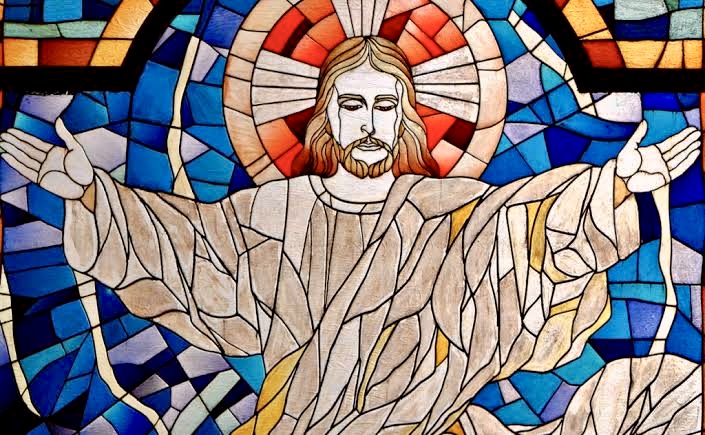
In our gospel Jesus speaks to His disciples of a time when He sits as King and judge, enthroned in glory and yet acting as shepherd separating sheep from the goats. We recognise this as the image of the last judgment. However, what is important to note is Jesus’ choice of association. Although He clearly possesses absolute power and authority to pass judgment, He identifies with the weak — the prisoners, the sick, the homeless, the needy. He is a King with compassion for the marginalised and demands the same of His subjects. If we truly accept Jesus as our King, we will follow His commands and His example of serving and caring for those who are materially, socially, psychologically, morally and spiritually poor.
Never in the gospels, does Jesus flaunt the authority He has been given by His father with such grandiose displays of power. In fact, in the instances where Jesus reveals His true nature, He asks that they refrain from spreading the word or telling others about His miracles. On one occasion, as He drives out an unclean spirit from a man, Jesus rebukes it for revealing His identity as “The Holy One of God”. In John 6:15 Jesus withdraws to the mountain by Himself when He learns the people intend to make Him king by force after witnessing Him perform mighty works. The world at the time was not ready for His kingship. Despite this, we know that God the Father has truly granted Him the authority and power of shepherding because He was fulfilling His responsibility every time He cared for the poor, cast out demons, and healed the sick.
Brothers and sisters, there are those among us who have the privilege to hold positions of authority. More often than not, we recognise them by their fine and expensive clothing, their posture, the strength of their voice, the number of their security personnel, the size and number of their vehicles and the left and right attendance at important banquets. Following the example of Jesus’ leadership requires that authority figures become shepherds in their own right — prioritising the care, safety and well-being of those they are responsible for. Authority is, first and foremost bestowed as a gift for the purpose of service. When this is forgotten and taken for granted one succumbs to the temptations of power and privilege. They discard humble public service as the value and essence of their leadership and instead abuse their authority. As loyal subjects of God’s Kingdom, it is our duty to live our belief and our conviction that Jesus is King over us all.
We live with the hope that one day we will witness Jesus Christ in all His glory as King of the Universe. The Second Reading tells us this will happen at the end of time. When He returns, He shall vanquish all His enemies and gather all who belong to Him and pledged allegiance to Him by the life they lived. Each time we feed the hungry and the thirsty, welcome strangers, clothe the naked, attend to the sick, and visit prisoners, we not only pay homage and bring honour to Jesus Christ, our King but we also assure our place as subjects in God’s eternal Kingdom.
In as much as we live in the hope of His return, let us do our best every day to help establish His Kingdom on earth. This is how we prove we choose Him as our King. This is how He will recognise us as His subjects. On this Feast of Christ the King, let us thank the Father, that in His infinite wisdom and love for us, He has appointed His Son to rule over us with mercy, benevolence, justice and peace.
 Sunday Gospel Reflections